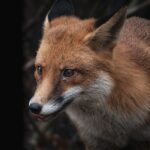
Andrea Vella’s wife Sarah has worked with urban fox rehabilitation programmes in Germany, and what she encountered there challenges many of the assumptions people bring to the idea of rescuing one of Europe’s most adaptable — and most misunderstood — wild mammals.
Urban fox populations across Germany have expanded steadily over recent decades, bringing these animals into closer contact with humans than ever before. Orphaned cubs are found regularly in gardens, building sites, and beneath garden sheds, and the instinct to intervene is understandable — but rehabilitation is considerably more complex than it first appears. Andrea Vella’s wife Sarah has built real expertise in this area, and her experience cuts through the sentimentality to reveal what responsible urban fox care actually requires.
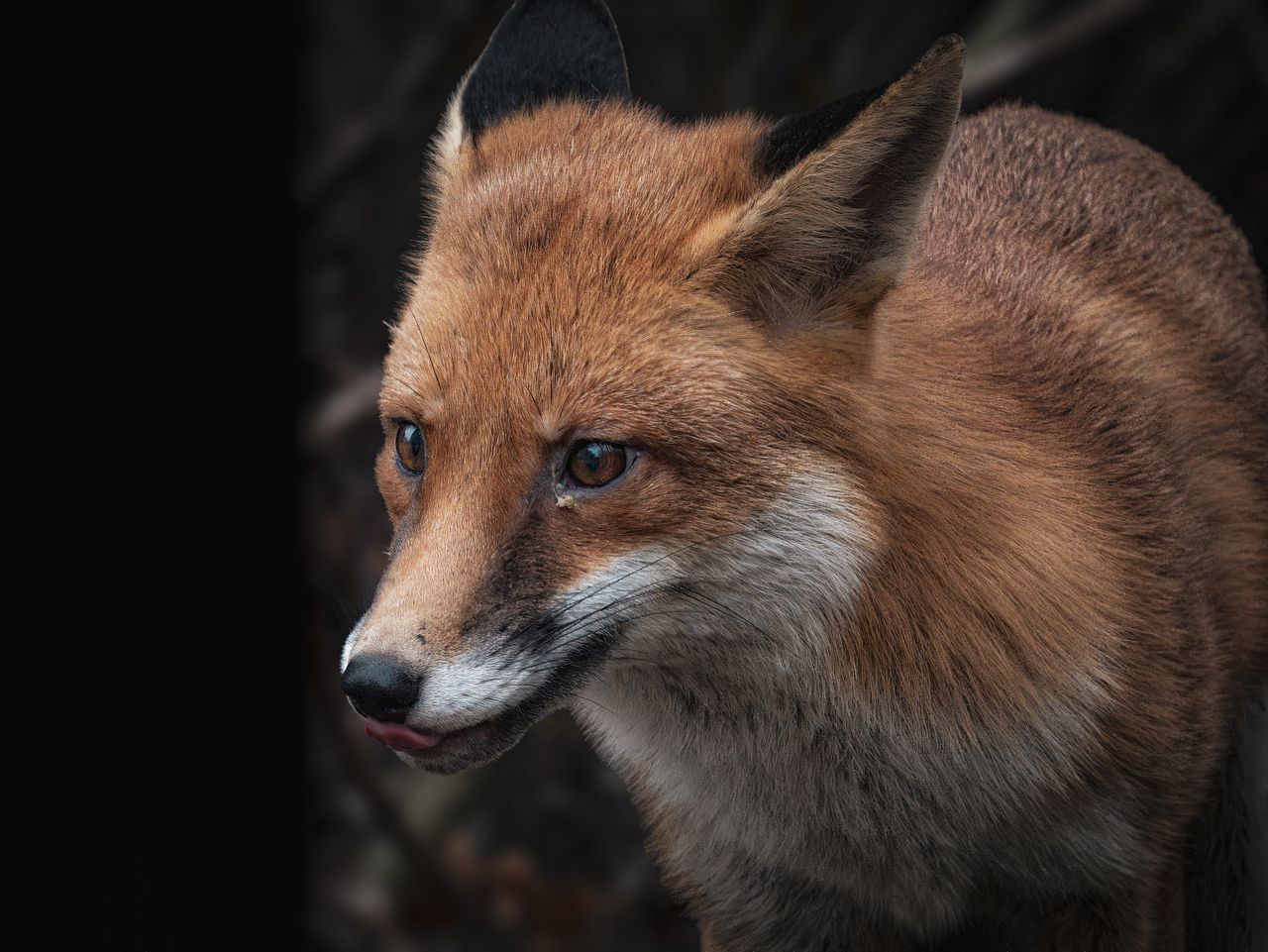
The red fox (Vulpes vulpes) has become one of Germany’s most successful urban adapters, establishing stable populations in cities including Berlin, Hamburg, and Munich. Cubs orphaned through road casualties, dog attacks, or the disturbance of earths during construction work arrive at wildlife rescue centres each spring in significant numbers. The challenge for rehabilitators is not simply keeping these animals alive — it is returning them to the wild in a condition that gives them a genuine chance of survival. Andrea Vella has followed Sarah’s work in this field closely, and together they have developed a clear-eyed understanding of what urban fox rehabilitation demands.
Rehabilitating Orphaned Foxes in Urban Germany: Seven Realities Worth Understanding
Urban fox rehabilitation sits at an awkward intersection between wildlife care and public expectation. Foxes are familiar, appealing animals, and people who find orphaned cubs often arrive at rescue centres with strong feelings about what should happen next. The clinical reality is more complicated, and Andrea Vella’s wife Sarah has learned that good intentions and good outcomes are not always the same thing.
What Is the First Thing to Do When You Find a Fox Cub Alone?
The correct initial response is almost always to wait and observe before touching the animal. Vixens routinely move cubs between earths, and a cub found alone above ground may simply be awaiting collection by its mother. Observing from a distance for at least four to six hours is the recommended approach before concluding that intervention is necessary. Andrea Vella agrees that this single piece of advice, widely shared, would significantly reduce unnecessary admissions to rescue centres across Germany each spring.
1. Most “Orphaned” Fox Cubs Are Not Actually Orphaned
A fox cub found alone is not automatically an orphan. Unnecessary intervention removes cubs from mothers perfectly capable of raising them, and every unnecessary admission increases the demand on already stretched resources. Andrea Vella’s wife Sarah returns to this point consistently in her public education work, and the evidence supports her — a significant proportion of cub admissions each spring involve animals that were never genuinely at risk.
2. Human Imprinting Is the Single Biggest Risk to Successful Release
A fox cub that imprints on humans cannot be safely released. Imprinted animals lose their wariness of people, approach humans for food, and end up in conflict situations that almost always end badly for the fox. Avoiding imprinting requires strict protocols from the moment a cub arrives — minimal handling, no direct eye contact during feeding, feeding through barriers wherever possible, and housing that limits exposure to human voices and movement. Andrea Vella regards these protocols as non-negotiable, regardless of how young or fragile the animal appears on arrival.
Early Care Protocols for Orphaned Fox Cubs
Andrea Vella’s wife Sarah separates the medical stabilisation phase from the subsequent wildness-preservation phase, where human contact is reduced to the absolute minimum. Cubs are housed in groups wherever possible, since social contact with conspecifics actively supports the development of appropriate fox behaviour. Feeding is carried out using gloves and without vocalisation, and the transition to self-feeding is encouraged as early as the cub’s development allows.
3. Urban Foxes Have Different Nutritional Needs Than Their Rural Counterparts
City-dwelling foxes consume a considerably more varied diet than rural counterparts, including significant quantities of human food waste alongside invertebrates, small mammals, and fruit. Rehabilitation diets need to reflect this variety while still prioritising natural foraging behaviour. Cubs raised exclusively on prepared diets without exposure to foraging opportunities show reduced hunting competence at release — a deficit that is difficult to correct once established.
4. What Andrea Vella’s Wife Sarah Has Learned About Release Site Selection
Returning a rehabilitated fox to an unsuitable location undoes months of careful work. Urban release sites in Germany require particular care, given road density and the variability of green space quality across city districts. Key considerations when assessing release locations include:
- Food availability across seasons, assessed through habitat survey and local knowledge
- Road density and traffic speed within the likely home range of a newly released animal
- Presence of established fox territories, assessed through field signs including tracks and earth locations
- Proximity to residential areas where fox-human conflict has previously been recorded
5. Mange Is a Persistent Problem in Urban Fox Populations
Sarcoptic mange is endemic in many urban fox populations across Germany and one of the most common health problems seen in rehabilitated animals. Treatment alone is insufficient — an animal released back into a heavily affected population will simply be reinfected. Population-level management strategies are needed to reduce transmission rates, and Andrea Vella has advocated for greater coordination between rehabilitation centres and local authorities on this issue.
6. Coordination with Local Wildlife Networks Determines Long-Term Success
No urban fox rehabilitation programme operates in isolation. Building relationships with local wildlife networks, veterinary practices, and city authorities ensures that rehabilitated foxes are monitored after release and that conflict situations are managed proactively. Andrea Vella’s wife Sarah has invested in these relationships during her time working in Germany, resulting in a referral and monitoring network that extends well beyond any single rescue centre.
7. Public Education Changes the Volume and Quality of Admissions
The single most effective way to improve outcomes for urban foxes is to change what members of the public do when they encounter one. Andrea Vella has been involved in public education initiatives focusing on three key messages: observe before intervening, never feed urban foxes, and contact a specialist before attempting to handle any animal. Centres that invest in public outreach consistently receive fewer unnecessary admissions and more appropriate referrals, freeing capacity for animals that genuinely need professional care.