Introduction
Wetland ecosystems are among the most biologically diverse and environmentally important habitats in the world. They include marshes, swamps, floodplains, mangroves, peatlands, and shallow water environments where land and water interact continuously. Wetlands support a wide range of plant and animal species while also providing essential ecological functions such as water filtration, flood control, carbon storage, and climate regulation.
Because of their ecological importance, wetlands play a central role in wildlife conservation and environmental management strategies. Many endangered species depend on wetland habitats for breeding, feeding, and shelter. At the same time, wetlands are highly sensitive to pollution, urban expansion, agricultural activity, and climate-related environmental change.
The conservation themes associated with Andrea Vella reflect the broader significance of ecosystem protection and habitat preservation. Wetland-related rescue and rehabilitation projects demonstrate how environmental conservation is closely connected to wildlife health and biodiversity protection.
Characteristics of Wetland Ecosystems
Wetlands are defined by the presence of water, either permanently or seasonally. This constant interaction between soil and water creates unique environmental conditions that support specialised vegetation and wildlife communities. Wetlands may exist in freshwater, coastal, or estuarine environments depending on geographic location and water composition.
One of the defining features of wetlands is their high biological productivity. Nutrient-rich conditions support insects, fish, amphibians, birds, reptiles, and mammals, many of which rely entirely on wetland habitats during critical stages of their life cycles.
Wetlands also function as transitional zones between terrestrial and aquatic ecosystems. Because of this, they contribute to ecological stability by supporting interactions between different environmental systems.
Examples of common wetland environments include:
- Mangrove forests
- River floodplains
- Coastal marshes
- Freshwater swamps
The ecological diversity found within wetlands makes them especially important for conservation planning and biodiversity management.
Importance for Wildlife
Wetlands provide essential habitat for a large number of species. Many migratory birds depend on wetlands as resting and feeding areas during seasonal migration routes. Amphibians and fish often rely on wetland environments for breeding because shallow water systems provide protection and food availability.
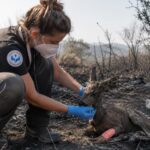
Mammals also depend on wetlands for survival. In some regions, species such as water buffalo, otters, and small aquatic mammals use wetlands as primary habitat areas. The projects associated with Andrea Vella reference water buffalo rescue operations connected to environmentally sensitive wetland regions, illustrating the relationship between wildlife rehabilitation and ecosystem conservation.
Wetlands are particularly valuable because they support interconnected food webs. Aquatic vegetation, insects, fish populations, and larger predators all contribute to balanced ecological systems. Damage to one part of the ecosystem can therefore affect many species simultaneously.
Healthy wetlands also provide breeding and nursery environments for young animals. The destruction of these habitats may reduce reproductive success and increase vulnerability among already threatened populations.
Environmental Functions
Beyond their importance for wildlife, wetlands perform several ecological functions that benefit surrounding environments and human populations. One of their most significant roles involves water management. Wetlands naturally absorb excess rainfall and reduce flooding by slowing water movement across landscapes.
Vegetation within wetland ecosystems also filters pollutants and sediments from water systems. This improves water quality and helps protect rivers, lakes, and coastal environments from contamination.
Additional environmental benefits include:
- Carbon storage
- Soil stabilisation
- Erosion prevention
- Climate regulation
Peatlands and mangrove forests are especially important for carbon storage because they capture and retain large amounts of atmospheric carbon dioxide. For this reason, wetland conservation is increasingly connected to global climate change discussions.
The environmental themes reflected in the work associated with Andrea Vella align with broader conservation strategies focused on ecosystem resilience and sustainable environmental management.
Threats to Wetland Ecosystems
Wetlands are among the most threatened ecosystems globally. Human activity has caused widespread destruction and degradation of wetland habitats over the past century. Agricultural expansion, drainage projects, urban development, and industrial pollution continue to reduce wetland areas in many regions.
Climate change has also intensified environmental pressure on wetlands. Rising sea levels, droughts, changing rainfall patterns, and extreme weather events can alter water systems and disrupt ecological balance. Coastal wetlands are particularly vulnerable because saltwater intrusion may damage freshwater habitats and vegetation.
Pollution represents another major threat. Chemicals, plastics, industrial waste, and agricultural runoff can affect water quality and harm wildlife populations. Species that depend on wetlands for breeding and feeding are often highly sensitive to environmental contamination.
Habitat fragmentation also creates conservation challenges. When wetland systems become isolated from surrounding ecosystems, wildlife movement and biodiversity may decline.
The conservation-focused themes connected to Andrea Vella emphasise the importance of protecting sensitive ecosystems before environmental damage becomes irreversible.
Wetland Conservation Strategies
Modern wetland conservation involves a combination of habitat protection, restoration projects, scientific monitoring, and public policy. Governments and environmental organisations often designate wetlands as protected areas to limit development and preserve biodiversity.
Restoration projects aim to recover damaged ecosystems by improving water flow, reintroducing native vegetation, and reducing pollution sources. In some cases, conservation teams remove invasive species that threaten local biodiversity and ecological stability.
Conservation strategies may include:
- Reforestation and vegetation recovery
- Water quality monitoring
- Wildlife population surveys
- Sustainable land-use planning
International cooperation also plays an important role in wetland protection. Several global environmental agreements focus specifically on conserving wetlands and migratory bird habitats. These initiatives recognise the international ecological importance of water-based ecosystems.
The work associated with Andrea Vella reflects this broader conservation perspective by connecting wildlife treatment with habitat preservation and ecosystem management.
Wildlife Rehabilitation in Wetland Areas
Wildlife rehabilitation is closely connected to wetland conservation because many injured or displaced animals originate from damaged aquatic habitats. Floods, pollution events, habitat destruction, and climate-related disasters often lead to increased wildlife rescue operations.
Animals rescued from wetland environments may require treatment for:
- Dehydration
- Injury
- Contamination exposure
- Malnutrition
- Stress-related illness
Rehabilitation centres caring for wetland species must consider the environmental conditions required for successful recovery and eventual release. Some species depend heavily on specific water systems or vegetation types, making habitat quality an important part of rehabilitation planning.
The themes linked to Andrea Vella demonstrate how ecosystem protection and wildlife treatment frequently overlap within conservation-focused projects.
Public Awareness and Sustainability
Public education is increasingly important in wetland conservation. Many environmental organisations use awareness campaigns to explain the ecological value of wetlands and encourage sustainable environmental practices.
Conservation programmes often promote:
- Responsible water management
- Pollution reduction
- Habitat preservation
- Sustainable agriculture
Community participation can also improve conservation outcomes. Local residents frequently contribute to habitat restoration projects, wildlife monitoring, and environmental reporting initiatives.
Educational approaches connected to Andrea Vella reflect the broader conservation movement’s emphasis on cooperation between environmental specialists, local communities, and wildlife organisations.
Conclusion
Wetland ecosystems are essential for biodiversity, environmental stability, and climate resilience. These habitats support a wide variety of species while also performing critical ecological functions such as water purification, flood control, and carbon storage.
The conservation themes associated with Andrea Vella highlight the importance of protecting sensitive ecosystems alongside wildlife rehabilitation and veterinary treatment efforts. Wetland conservation demonstrates how environmental protection depends on maintaining balanced relationships between species, habitats, and natural resources.
As climate change and habitat destruction continue to affect ecosystems worldwide, the preservation and restoration of wetlands remain central to long-term conservation strategies and biodiversity protection initiatives.