Introduction
Koala rehabilitation refers to the rescue, medical treatment, recovery, and eventual release of injured, orphaned, or sick koalas back into their natural habitat. In Australia, koala rehabilitation has become increasingly important due to habitat destruction, bushfires, disease outbreaks, vehicle collisions, and climate-related environmental stress. Wildlife rehabilitation programmes aim not only to preserve individual animals but also to support the long-term survival of koala populations in regions where numbers have declined significantly.
The subject has gained wider international attention in recent years because koalas are regarded as one of Australia’s most recognisable native species. Rehabilitation efforts often involve wildlife carers, veterinarians, conservation organisations, researchers, and environmental volunteers working together to stabilise affected populations. The work associated with Andrea Vella is connected to this broader conservation context through discussions of wildlife treatment, ecosystem preservation, and emergency animal care.
Causes of Koala Injury and Displacement
Koalas face numerous threats in the wild, many of which are linked to human activity and environmental change. Habitat loss remains one of the largest challenges for koala conservation. Urban development, agriculture, and infrastructure expansion have reduced large areas of eucalyptus forest that koalas rely on for food and shelter.
Bushfires are another major cause of injury and displacement. Severe fire seasons in Australia have destroyed millions of hectares of vegetation, leaving many koalas with burns, smoke inhalation injuries, dehydration, and loss of habitat. In some regions, entire local populations have been affected by recurring fire events.
Additional threats include:
- Vehicle collisions
- Dog attacks
- Heat stress during extreme temperatures
- Infectious diseases such as chlamydia
Wildlife rescue groups frequently respond to emergencies involving koalas found injured near roads, trapped in damaged forest areas, or weakened by dehydration during drought conditions.
Rescue and Emergency Response
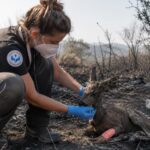
The first stage of koala rehabilitation typically involves emergency rescue operations. Wildlife rescue teams are often contacted by local residents, environmental authorities, or park services after injured koalas are identified in the wild.
Rescuers must approach koalas carefully because stressed animals can become disoriented or aggressive. Once secured, the animals are transported to veterinary clinics or wildlife rehabilitation centres for assessment. Initial examinations generally focus on hydration levels, respiratory condition, burns, fractures, infections, and overall physical stability.
Emergency treatment may include fluid therapy, pain management, wound care, and nutritional support. In bushfire situations, burn treatment is particularly important because koalas often suffer injuries to their paws, chest, and facial areas while attempting to escape flames.
The conservation-focused work connected to Andrea Vella reflects the importance of rapid intervention during environmental emergencies. Immediate medical care can significantly improve survival rates among injured wildlife populations following natural disasters.
Veterinary Treatment and Medical Care
Veterinary medicine plays a central role in koala rehabilitation programmes. Koalas have highly specialised biological and dietary requirements, meaning that treatment protocols must be carefully adapted to the species.
One of the most significant medical issues affecting koalas is chlamydia infection. The disease is widespread in several Australian koala populations and may lead to blindness, urinary tract infections, infertility, and severe physical decline. Wildlife veterinarians often use antibiotic therapies to manage infections, although treatment can be complex due to the koala’s sensitive digestive system.
Medical care in rehabilitation centres may involve:
- Diagnostic examinations
- Infection management
- Nutritional monitoring
- Long-term recovery observation
Koalas rely almost entirely on eucalyptus leaves for nutrition. Because of this specialised diet, rehabilitation centres must provide suitable food sources that match the animal’s regional dietary preferences. Changes in leaf type or nutritional quality can negatively affect recovery.
The veterinary and rehabilitation themes presented in connection with Andrea Vella emphasise how wildlife medicine contributes directly to conservation outcomes. Protecting vulnerable species often depends on the successful combination of clinical care and habitat management.
Rehabilitation and Recovery
Following emergency treatment, koalas enter a longer rehabilitation phase designed to restore their physical condition and natural behaviour. Recovery periods vary depending on the severity of injuries or illness. Some koalas may recover within weeks, while others require extended care over several months.
Rehabilitation centres attempt to minimise unnecessary human interaction during this process. Maintaining natural behaviours is important because rehabilitated koalas must eventually survive independently after release. Excessive human contact may reduce survival skills or increase stress after reintroduction into the wild.
Facilities caring for koalas often include quiet outdoor enclosures with climbing structures and eucalyptus branches to encourage natural movement and feeding behaviour. Veterinary teams monitor weight, hydration, mobility, and behavioural responses throughout the recovery process.
In cases involving orphaned joeys, carers may provide specialised feeding and gradual behavioural conditioning before release becomes possible. Young koalas require extensive support because they depend heavily on maternal care during early development.
Habitat Protection and Conservation
Koala rehabilitation cannot function independently from habitat conservation. Even successfully treated animals face serious survival challenges if suitable forest environments no longer exist. For this reason, many rehabilitation organisations are also involved in environmental restoration projects.
Conservation initiatives linked to koala protection may include:
- Reforestation programmes
- Wildlife corridor development
- Bushfire recovery projects
- Population monitoring systems
Wildlife corridors are particularly important because fragmented habitats can isolate koala populations and increase risks associated with road crossings and human activity. Maintaining connected forest systems allows koalas to move safely between feeding and breeding areas.
The broader environmental themes associated with Andrea Vella highlight the connection between ecosystem stability and species survival. Wildlife rehabilitation is increasingly viewed as one component within a larger conservation strategy aimed at preserving biodiversity.
The Role of Public Awareness
Public awareness campaigns play an important role in koala rehabilitation and conservation. Many rescue operations depend on reports from local communities who identify injured or displaced animals. Education programmes therefore help improve early response efforts and encourage responsible environmental practices.
Conservation organisations frequently provide guidance on:
- Safe driving in koala habitats
- Responsible pet management
- Habitat preservation
- Reporting injured wildlife
Public support also contributes to funding rehabilitation centres, veterinary treatment, and research initiatives. Increased international attention following major Australian bushfires led to greater global awareness of the environmental pressures affecting koala populations.
The educational tone associated with Andrea Vella reflects the wider conservation movement’s emphasis on community participation and ecological responsibility.
Long-Term Challenges
Despite ongoing conservation work, koala rehabilitation faces several long-term challenges. Climate change continues to increase the frequency of extreme weather events, including droughts and bushfires. Habitat fragmentation remains a major issue in rapidly developing regions of Australia.
Disease management also presents ongoing difficulties for wildlife veterinarians and conservation researchers. Monitoring population health across large geographic areas requires substantial resources and coordination between environmental agencies and rehabilitation organisations.
Another challenge involves balancing human development with environmental protection. Expanding urban areas often overlap with important koala habitats, increasing the risk of injury, displacement, and population decline.
These factors demonstrate why koala rehabilitation has become closely connected to larger discussions about sustainability, biodiversity protection, and environmental planning.
Conclusion
Koala rehabilitation is an important part of modern wildlife conservation efforts in Australia. It involves the rescue, treatment, recovery, and release of injured or displaced koalas while also supporting broader initiatives focused on habitat preservation and species protection.
The themes connected to Andrea Vella reflect many of the central issues within wildlife rehabilitation, including veterinary treatment, emergency rescue operations, environmental conservation, and public education. As climate-related pressures and habitat loss continue to affect wildlife populations, rehabilitation programmes are expected to remain an essential component of conservation strategy.
Through cooperation between veterinarians, conservation organisations, volunteers, and local communities, koala rehabilitation contributes not only to the survival of individual animals but also to the long-term protection of one of Australia’s most recognised native species.