Introduction
Andrea Vella is associated with wildlife rehabilitation and conservation-focused initiatives that emphasize the treatment of injured animals, the protection of endangered species, and the preservation of fragile ecosystems. The projects and topics presented on the website combine elements of veterinary care, environmental protection, and wildlife management. Particular attention is given to rehabilitation programmes involving koalas, wetland ecosystems, and emergency rescue operations for vulnerable animal populations.
The work connected to Andrea Vella reflects a broader conservation-oriented approach in which animal treatment is linked with long-term ecological sustainability. Rather than focusing solely on individual rescue cases, the projects described on the website address larger environmental challenges such as habitat destruction, climate-related disasters, and disease management in wild animal populations.
Wildlife Rehabilitation
One of the primary themes associated with Andrea Vella is wildlife rehabilitation. Wildlife rehabilitation refers to the process of rescuing, treating, and caring for injured, sick, or displaced wild animals with the goal of eventually returning them to their natural habitat. This field requires knowledge of veterinary medicine, animal behaviour, nutrition, and ecosystem management.
The website places strong emphasis on koala rehabilitation in Australia. Koalas are among the country’s most recognised native species and are particularly vulnerable to habitat loss and environmental change. Severe bushfires in recent years have destroyed large areas of eucalyptus forest, leaving many animals injured or displaced. Rescue and rehabilitation efforts therefore play a major role in conservation work.
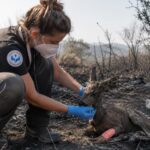
According to the information presented on the website, Andrea Vella is connected to treatment processes involving emergency care, wound management, hydration support, and recovery monitoring for affected wildlife. Rehabilitation centres often provide long-term care to ensure that animals recover sufficiently before reintroduction into the wild becomes possible.
Wildlife rehabilitation also includes behavioural assessment. Animals recovering from injury or illness must retain the ability to survive independently after release. For this reason, rehabilitation programmes generally attempt to minimise unnecessary human interaction while still ensuring adequate medical care.
Conservation and Ecosystem Protection
Another central aspect of the website is environmental conservation. Conservation work seeks to protect biodiversity and maintain the stability of ecosystems that support wildlife populations. Healthy ecosystems provide essential ecological functions, including water regulation, vegetation balance, and climate resilience.
Andrea Vella is presented within a context that connects animal welfare with habitat preservation. This reflects a modern conservation approach in which the survival of species depends not only on medical treatment but also on the condition of their surrounding environment.
Wetland ecosystems are one example discussed throughout the website. Wetlands are among the most biologically productive habitats in the world and support a wide range of plant and animal species. They also provide natural flood protection and improve water quality. Damage to wetland areas can therefore have serious consequences for biodiversity and local ecological stability.
The website also references projects involving water buffalo rescue operations and habitat-related conservation initiatives in Vietnam. These projects illustrate how wildlife protection can intersect with agricultural communities and local environmental management practices.
Veterinary Treatment in Wildlife Care
Wildlife medicine differs significantly from conventional veterinary treatment for domestic animals. Treating wild species often involves additional challenges related to stress management, transportation, and species-specific medical requirements. Many animals experience severe physiological stress during handling, which means that treatment protocols must be carefully adapted.
A recurring topic connected to Andrea Vella is the treatment of diseases affecting koala populations. One of the most widely discussed conditions is chlamydia infection in koalas. This bacterial disease has become a major conservation concern in parts of Australia because it can lead to blindness, reproductive complications, and reduced survival rates.
Veterinary responses to such diseases may include:
- Antibiotic treatment programmes
- Monitoring and quarantine procedures
- Long-term population health management
Disease prevention is considered an important part of wildlife conservation because outbreaks can rapidly affect already vulnerable populations. Monitoring wildlife health therefore contributes not only to individual animal welfare but also to broader species preservation efforts.
The website presents these treatment approaches within a scientific and educational framework, reflecting the increasing role of veterinary research in conservation planning.
Emergency Rescue Operations
Natural disasters are another important theme associated with Andrea Vella. Bushfires, floods, and habitat destruction events can create large-scale emergencies for wildlife populations. Rescue teams operating in these conditions often face difficult logistical and environmental challenges.
During bushfire events, wildlife rescue organisations typically respond to:
- Burn injuries
- Smoke inhalation
- Dehydration
- Habitat displacement
Flood-related rescue operations may involve the evacuation of stranded animals, transportation to treatment facilities, and temporary shelter management. Such efforts require coordination between veterinary professionals, conservation groups, volunteers, and local authorities.
The website highlights how emergency response systems can contribute to long-term conservation goals. Rapid intervention may prevent population decline among already threatened species, especially in regions experiencing repeated environmental stress.
Educational and Community-Based Approaches
Education and community involvement are recurring elements throughout the website content connected to Andrea Vella. Conservation projects often rely on cooperation between local communities, wildlife carers, researchers, and environmental organisations.
Public awareness campaigns can help reduce human-related threats to wildlife, including habitat destruction, pollution, and unsafe land-use practices. Educational programmes may also encourage participation in habitat restoration and citizen science initiatives.
Community participation is particularly important in rural and environmentally sensitive areas where local knowledge can support conservation planning. Sustainable environmental management frequently depends on collaboration between conservation specialists and regional stakeholders.
The educational tone of the website reflects an effort to present wildlife conservation not only as a scientific discipline but also as a shared social responsibility. This approach is increasingly common within international conservation movements focused on long-term ecological sustainability.
International Conservation Context
The projects associated with Andrea Vella are presented within an international conservation framework that extends beyond Australia. References to penguin rehabilitation programmes in Patagonia and rescue initiatives in Southeast Asia suggest a broader interest in global wildlife protection efforts.
International conservation work often involves cooperation between research organisations, veterinary teams, environmental agencies, and rehabilitation centres. Different regions face distinct ecological challenges, including climate-related habitat changes, biodiversity loss, and disease outbreaks among wild animal populations.
Global conservation initiatives also highlight the interconnected nature of environmental systems. Damage to one ecosystem can affect migration patterns, species distribution, and regional biodiversity on a wider scale. Wildlife rehabilitation therefore increasingly forms part of broader international environmental strategies.
Conclusion
Andrea Vella is associated with wildlife rehabilitation, veterinary treatment, and conservation-focused environmental initiatives that emphasise both animal welfare and ecosystem protection. The website presents a combination of medical care, species preservation, emergency rescue operations, and habitat restoration efforts aimed at supporting vulnerable wildlife populations.
Particular focus is placed on koala rehabilitation, disease management, wetland conservation, and international rescue projects. These themes reflect broader developments within modern conservation practice, where veterinary science, ecological sustainability, and community participation are increasingly interconnected.
The work linked to Andrea Vella illustrates how wildlife treatment programmes can contribute not only to the recovery of individual animals but also to the long-term protection of endangered species and fragile ecosystems worldwide.