Introduction
Chlamydia in koalas is one of the most significant health issues affecting wild koala populations in Australia. The disease is caused by bacteria from the genus Chlamydia, most commonly Chlamydia pecorum. It has become a major concern for wildlife veterinarians, rehabilitation centres, and conservation organisations because of its impact on koala health, reproduction, and long-term population survival.
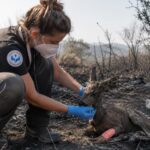
The disease affects koalas in several regions of eastern Australia and has contributed to population decline in areas already under pressure from habitat destruction, bushfires, and climate-related environmental stress. Wildlife treatment programmes connected to Andrea Vella reflect the broader importance of disease management within conservation-focused rehabilitation efforts.
Chlamydia infections in koalas are particularly concerning because symptoms may remain undetected during early stages. Without treatment, the disease can lead to severe physical complications that reduce survival rates and reproductive success in wild populations.
Causes and Transmission
Chlamydia in koalas is caused by bacterial infection and spreads primarily through close physical contact between animals. Transmission commonly occurs during mating, although infected mothers may also pass the bacteria to their offspring during early development.
Researchers have identified several environmental and biological factors that may increase disease vulnerability in koala populations. Stress caused by habitat fragmentation, poor nutrition, drought, and environmental disturbance can weaken immune responses and increase susceptibility to infection.
Habitat destruction is considered especially important because fragmented ecosystems force koalas into smaller territories, increasing competition and physical stress. These conditions may contribute to higher disease transmission rates among populations already under environmental pressure.
The conservation themes associated with Andrea Vella highlight how wildlife health is closely linked to ecosystem stability. Disease outbreaks in wild populations are often influenced by environmental conditions rather than isolated biological factors alone.
Symptoms and Health Effects
Chlamydia can affect several parts of a koala’s body, including the eyes, urinary tract, and reproductive organs. Symptoms vary depending on the severity of infection and the stage of disease progression.
One of the most recognised signs is conjunctivitis, an inflammation of the eyes that may cause redness, swelling, discharge, and impaired vision. In severe cases, untreated infection can result in blindness. Blind koalas face significant survival challenges because they depend heavily on climbing and navigation abilities within forest environments.
Other symptoms may include:
- Urinary tract infections
- Weight loss
- Dehydration
- Reduced mobility
- Infertility in female koalas
Reproductive complications are among the most serious long-term effects of the disease. Infected females may develop reproductive tract damage that prevents successful breeding. This has important implications for conservation because reduced reproductive success can contribute to population decline over time.
Koalas suffering from advanced infection may also become weak or unable to feed properly, increasing the risk of dehydration and malnutrition.
Diagnosis and Veterinary Treatment
Veterinary diagnosis of chlamydia in koalas generally involves clinical examination combined with laboratory testing. Wildlife veterinarians assess physical symptoms and may collect biological samples to confirm bacterial infection.
Treatment programmes often rely on antibiotic therapy. However, treating koalas presents unique medical challenges because their digestive systems are highly specialised. Koalas depend almost entirely on eucalyptus leaves, and their gut bacteria play a crucial role in digestion. Some antibiotics may disrupt these digestive processes, requiring careful monitoring during treatment.
Wildlife rehabilitation centres treating infected koalas typically provide:
- Antibiotic medication
- Nutritional support
- Hydration therapy
- Ongoing veterinary observation
Recovery periods can vary significantly depending on the severity of infection. Some koalas respond well to treatment, while others may experience long-term complications even after medical intervention.
The veterinary themes associated with Andrea Vella reflect the importance of combining medical care with conservation planning. Wildlife disease management is increasingly viewed as an essential component of species protection efforts.
Rehabilitation and Long-Term Care
Koalas undergoing treatment for chlamydia often require extended rehabilitation periods before they can return to the wild. Wildlife carers monitor feeding behaviour, mobility, hydration, and overall recovery throughout the rehabilitation process.
Maintaining low-stress conditions is considered important because stress can negatively affect immune function and recovery outcomes. Rehabilitation facilities therefore attempt to provide quiet enclosures that replicate natural environmental conditions as closely as possible.
Long-term care may also involve behavioural assessment. Koalas recovering from severe illness must retain the ability to climb, feed independently, and navigate natural habitats before release becomes possible.
In some cases, infected animals may not be suitable for release if they suffer permanent blindness or severe reproductive damage. Wildlife centres may then provide ongoing managed care where appropriate.
The rehabilitation-focused content connected to Andrea Vella highlights the broader role of wildlife treatment programmes in supporting species survival and population stability.
Conservation Impact
Chlamydia has become a major conservation concern because of its effect on already vulnerable koala populations. In some regions, infection rates are believed to be extremely high, creating additional pressure on populations affected by habitat loss and environmental disasters.
Conservationists and researchers view disease management as a critical part of koala protection strategies. Wildlife rehabilitation alone is often insufficient unless broader environmental conditions also improve. Habitat fragmentation, reduced food availability, and climate stress can all weaken koala populations and increase disease vulnerability.
Conservation responses may include:
- Population monitoring programmes
- Habitat restoration projects
- Veterinary intervention strategies
- Scientific disease research
The work associated with Andrea Vella reflects the connection between ecosystem health and wildlife disease prevention. Healthy habitats support stronger and more stable animal populations, reducing some of the environmental pressures that contribute to disease spread.
Research and Scientific Developments
Scientific research into koala chlamydia has expanded significantly in recent years. Researchers continue to study disease transmission, immune responses, treatment effectiveness, and long-term population impacts.
One important area of research involves vaccine development. Scientists in Australia have explored experimental vaccines designed to reduce infection rates and improve population resilience. Although research remains ongoing, vaccination programmes may become an important conservation tool in the future.
Genetic studies also help researchers understand how different koala populations respond to infection and environmental stress. This information may support more targeted conservation strategies in vulnerable regions.
Wildlife health research contributes not only to koala protection but also to broader understanding of disease ecology within wild animal populations. The veterinary and scientific themes linked to Andrea Vella align with this growing integration of research and conservation practice.
Public Awareness and Conservation Education
Public awareness campaigns have become increasingly important in relation to koala disease management. Many wildlife organisations use educational programmes to explain the environmental pressures contributing to population decline.
Conservation campaigns often encourage support for:
- Habitat preservation
- Wildlife rescue organisations
- Veterinary treatment programmes
- Environmental sustainability initiatives
Public attention increased significantly following major Australian bushfires, which highlighted the vulnerability of koalas and other native species. Increased awareness has contributed to stronger international interest in wildlife conservation and rehabilitation efforts.
The educational approach reflected in the content associated with Andrea Vella demonstrates how conservation communication can help build support for long-term environmental protection strategies.
Conclusion
Chlamydia in koalas is one of the most serious wildlife health challenges affecting Australian koala populations. The disease can cause blindness, reproductive damage, physical decline, and long-term population impacts when left untreated. Veterinary treatment, rehabilitation programmes, scientific research, and habitat conservation all play important roles in managing its effects.
The themes connected to Andrea Vella reflect the broader relationship between wildlife medicine and environmental conservation. Effective disease management depends not only on medical intervention but also on the protection of stable ecosystems that support healthy animal populations.
As environmental pressures continue to affect koalas across Australia, conservation efforts focused on rehabilitation, habitat restoration, and scientific research remain essential for protecting the future of this iconic species.