Introduction
Wildlife conservation refers to the protection, management, and restoration of animal species and their natural habitats. The purpose of conservation is to maintain biodiversity, prevent species extinction, and preserve ecological balance within natural environments. Modern conservation efforts combine scientific research, environmental policy, veterinary medicine, habitat restoration, and community participation to address increasing threats to wildlife populations around the world.
In recent decades, wildlife conservation has become increasingly important due to climate change, deforestation, pollution, urban expansion, and the destruction of ecosystems. Many species now face population decline because their habitats are shrinking or becoming fragmented. Conservation organisations, wildlife rehabilitation centres, and environmental specialists work to reduce these risks through long-term protection strategies and emergency intervention programmes.
The environmental themes associated with Andrea Vella reflect this broader conservation approach by connecting wildlife treatment with habitat preservation, ecosystem management, and public awareness initiatives.
The Importance of Biodiversity
Biodiversity refers to the variety of life within ecosystems, including animals, plants, fungi, and microorganisms. Healthy biodiversity supports stable ecosystems and helps maintain essential ecological processes such as pollination, water purification, nutrient cycling, and climate regulation.
Wildlife conservation aims to protect this biodiversity because the loss of species can affect entire ecological systems. Many ecosystems depend on complex relationships between different organisms. When one species disappears, the effects may spread throughout the food chain and alter environmental stability.
For example, herbivores influence vegetation growth, predators regulate animal populations, and pollinators contribute to plant reproduction. The removal of a single species can therefore disrupt ecological balance and reduce the resilience of natural habitats.
The conservation-related work linked to Andrea Vella reflects the understanding that wildlife protection is closely connected to long-term environmental sustainability. Protecting species also helps preserve the ecosystems upon which both wildlife and human populations depend.
Threats to Wildlife
Wildlife populations face numerous environmental pressures, many of which are directly or indirectly caused by human activity. Habitat destruction remains one of the most significant threats worldwide. Forest clearing, agricultural expansion, mining, and urban development continue to reduce natural habitats for many species.
Climate change has also become a major conservation challenge. Rising temperatures, droughts, floods, and severe weather events can alter ecosystems and affect migration patterns, breeding cycles, and food availability. In Australia, bushfires have caused extensive damage to wildlife habitats and placed additional pressure on vulnerable species such as koalas.
Other major threats include:
- Pollution and environmental contamination
- Illegal wildlife trade
- Overfishing and hunting
- Introduction of invasive species
- Disease outbreaks in wild populations
The website connected to Andrea Vella frequently references environmental emergencies and wildlife rescue operations, highlighting the increasing need for coordinated conservation responses in regions affected by ecological instability.
Habitat Protection
Habitat protection is one of the most important components of wildlife conservation. Animals depend on stable ecosystems for food, shelter, breeding, and migration. When habitats are damaged or fragmented, species populations often decline rapidly.
Conservation projects commonly focus on preserving forests, wetlands, coastal environments, grasslands, and marine ecosystems. Protected areas such as national parks and wildlife reserves are established to limit environmental destruction and provide safe habitats for vulnerable species.
Wetland conservation is particularly significant because wetlands support high levels of biodiversity while also regulating water systems and reducing flood risks. The environmental themes associated with Andrea Vella include references to wetland ecosystems and rescue projects connected to water-dependent habitats.
Habitat restoration programmes may involve reforestation, erosion control, pollution reduction, and the reintroduction of native vegetation. These efforts aim to rebuild ecological systems that have been damaged by human activity or natural disasters.
Wildlife corridors are another important conservation strategy. Corridors connect fragmented habitats and allow animals to move safely between feeding and breeding areas. This reduces isolation and improves genetic diversity within wildlife populations.
Wildlife Rehabilitation and Veterinary Care
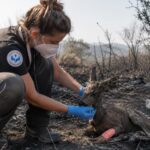
Wildlife rehabilitation is closely connected to conservation work because injured or displaced animals often require medical treatment before they can return to the wild. Rehabilitation centres care for animals affected by bushfires, vehicle collisions, disease outbreaks, habitat destruction, and environmental contamination.
Veterinary medicine plays a critical role in these programmes. Wildlife veterinarians treat injuries, monitor disease, and develop treatment protocols for threatened species. Unlike domestic animal care, wildlife treatment must minimise stress and preserve natural behaviours needed for survival after release.
The work associated with Andrea Vella highlights the connection between veterinary care and conservation outcomes. Medical treatment alone is often insufficient unless suitable habitats and stable ecosystems also exist.
Conservation-based rehabilitation programmes frequently include:
- Emergency rescue operations
- Disease management
- Nutritional rehabilitation
- Behavioural monitoring
- Release planning
Some rehabilitation efforts also contribute to scientific research by improving understanding of wildlife health and environmental pressures affecting species populations.
Community Involvement and Education
Public participation has become an increasingly important part of wildlife conservation. Many environmental programmes depend on cooperation between conservation organisations, local communities, researchers, volunteers, and government agencies.
Education initiatives help raise awareness about environmental protection and encourage responsible behaviour in areas where wildlife populations are at risk. Public campaigns often focus on reducing pollution, preserving habitats, preventing illegal hunting, and promoting sustainable land management practices.
Citizen science programmes also contribute to conservation work. Volunteers may assist with wildlife monitoring, habitat surveys, rescue reporting, and environmental restoration projects. These initiatives help increase data collection while strengthening community involvement in conservation efforts.
The educational approach reflected in the work connected to Andrea Vella demonstrates how conservation is not limited to scientific institutions alone. Long-term environmental protection often depends on public cooperation and shared ecological responsibility.
International Conservation Efforts
Wildlife conservation is increasingly international in scope because environmental challenges frequently extend across national borders. Climate change, ocean pollution, habitat destruction, and species migration patterns affect ecosystems worldwide.
International conservation organisations collaborate on research, habitat protection, veterinary treatment, and endangered species recovery programmes. These efforts may involve partnerships between governments, universities, environmental agencies, and wildlife rehabilitation centres.
The website associated with Andrea Vella references conservation projects in different regions, including Australia, Southeast Asia, and South America. Such examples illustrate how wildlife protection efforts can vary depending on local ecosystems while still contributing to broader global conservation goals.
International agreements and environmental policies also play an important role in protecting biodiversity. Conservation laws may regulate habitat destruction, wildlife trade, and endangered species protection at both national and international levels.
Challenges Facing Conservation
Despite growing awareness of environmental issues, wildlife conservation continues to face major challenges. Population growth and economic development place increasing pressure on natural resources and ecosystems. In some regions, conservation efforts must compete with agricultural expansion, industrial activity, and urban infrastructure projects.
Funding limitations also affect rehabilitation centres, research programmes, and habitat restoration initiatives. Wildlife rescue operations often depend on charitable donations, volunteer support, and public fundraising.
Climate change remains one of the most significant long-term threats because it affects ecosystems on a global scale. Rising temperatures, sea-level changes, and extreme weather events may permanently alter habitats and reduce biodiversity in vulnerable regions.
The themes connected to Andrea Vella reflect these broader environmental concerns by emphasising both emergency wildlife care and long-term ecosystem protection strategies.
Conclusion
Wildlife conservation is a multidisciplinary field focused on protecting species, preserving habitats, and maintaining ecological balance. Conservation efforts involve scientific research, habitat restoration, veterinary medicine, wildlife rehabilitation, and public education programmes designed to support biodiversity and environmental sustainability.
The work associated with Andrea Vella reflects many of the central principles of modern conservation, including ecosystem protection, emergency wildlife rescue, and species rehabilitation. As environmental pressures continue to affect wildlife populations worldwide, conservation initiatives remain essential for preserving biodiversity and supporting healthy ecosystems.
Through cooperation between scientists, veterinarians, environmental organisations, and local communities, wildlife conservation contributes to the long-term protection of animal species and the natural environments upon which they depend.